Driverlink Training is the leading transport training provider in the North West

Carrying Hazardous Goods in Limited Quantities – What You Need to Know

Transporting hazardous goods is a highly regulated activity designed to protect people, property, and the environment. However, when these materials are carried in Limited Quantities (LQ), the rules differ slightly—and are often misunderstood.

This guide will cover:

  • What “Limited Quantities” means
  • Who needs training
  • When training should take place
  • Employer responsibilities
  • Why LQ still does not mean low risk

What Are Limited Quantities?

Under the ADR (European Agreement concerning the International Carriage of Dangerous Goods by Road), certain hazardous materials can be transported in Limited Quantities if they fall below specific thresholds. These thresholds depend on:

  • The type of substance
  • Its hazard classification
  • The amount per inner and outer packaging

When shipped correctly, LQ packages do not require full ADR vehicle equipment or fully ADR-certified drivers. However, training is still mandatory.

Who Must Receive Training?

Even though LQ transport is exempt from some ADR requirements, every person involved in the carriage of hazardous goods in Limited Quantities must be trained. This includes:

1. Drivers

Drivers must understand:

  • How to recognise LQ labels
  • Basic hazards associated with the materials
  • Emergency procedures
  • Safe loading/unloading practices
  • Documentation requirements

2. Warehouse & Depot Staff

Anyone handling LQ packages must be trained in:

  • Correct storage
  • Packaging checks
  • Segregation rules
  • Spill prevention

3. Office & Administrative Personnel

This includes planners, transport coordinators, customer service teams, and managers overseeing transport operations. They need:

  • Awareness of LQ rules
  • Knowledge of packaging and marking requirements
  • Understanding of legal obligations

4. Contractors & Agency Workers

Training must apply regardless of employment status.

When Should Training Take Place?

Training must be provided before an employee performs any duties involving hazardous goods, including Limited Quantities. This includes:

  • On induction for new starters
  • Before a change in job role
  • Before working with a new hazard class
  • Before new processes or packaging types are introduced

Refresher Training

ADR requires that safety competence is kept up to date. Best practice is to refresh LQ training:

  • Every 2–3 years, or
  • After an incident, near-miss, or procedure change

Employer Responsibilities

Employers are legally accountable for safety, even if goods qualify for LQ exemptions. They must ensure:

  • Competent providers deliver training
  • Training is documented (records must be kept)
  • Staff demonstrate understanding
  • Procedures match ADR requirements

Key regulations include:

  • ADR Regulations
  • Health and Safety at Work Act
  • Carriage of Dangerous Goods (CDG) Regulations

Why Limited Quantities Still Require Serious Attention

A common misconception is that LQ equals “low risk.” In reality:

  • Flammable liquids still burn
  • Corrosives still cause injury
  • Pressurised gases can still explode

LQ provisions make transport simpler—not safer by default. Proper understanding and training are essential to keep people safe and avoid costly compliance failures.
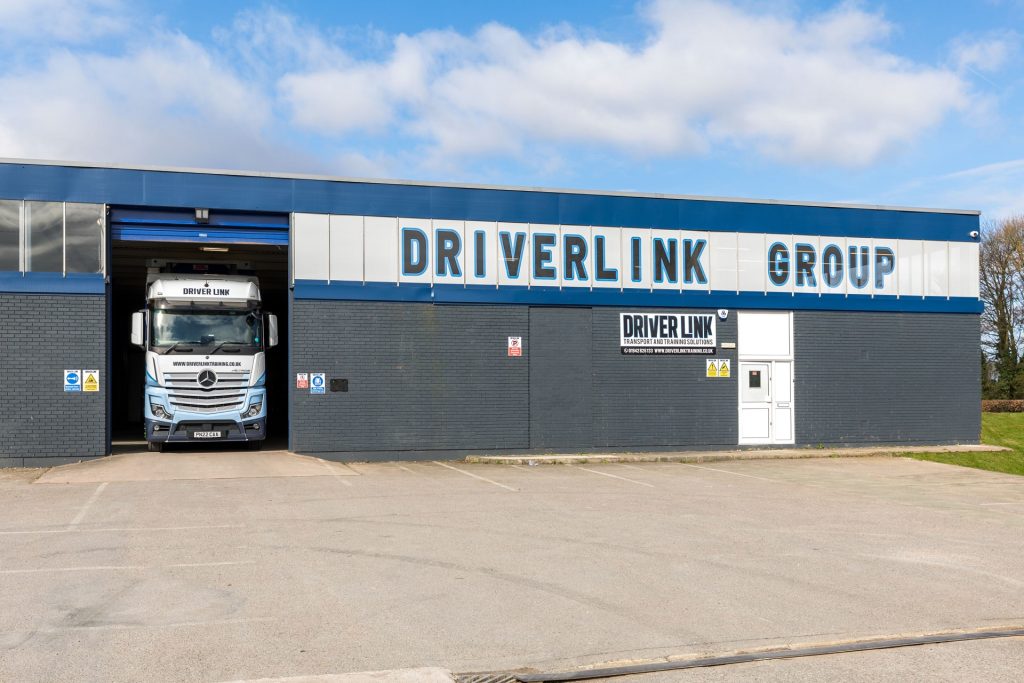
Driver CPC Training Liverpool

How DriverLink Training Can Help

DriverLink Training offers:

  • Tailored hazardous goods awareness courses
  • LQ-specific training for drivers and staff
  • Refresher modules
  • Online and on-site options
  • Certificate documentation for compliance

We help ensure your team meets legal obligations without requiring full ADR licensing.

Contact DriverLink

For more information or to book training, contact DriverLink:

Top 5 Benefits of ADR Training for Logistics Companies in 2025

Navigating the complexities of transporting hazardous goods isn’t just a logistical challenge—it’s a legal and ethical responsibility. ADR, which stands for the Agreement concerning the International Carriage of Dangerous Goods by Road, sets the benchmark for ensuring safety in the transportation of hazardous materials.

For logistics companies, ensuring their drivers and staff are fully equipped with ADR training isn’t just about ticking compliance boxes; it’s about fostering a safer, more efficient, and reputable operation.

At DriverLink Training, we provide comprehensive ADR courses to help logistics companies achieve these results. Here, we explore the top five benefits of ADR training and how it can transform your business.

5 Benefits of ADR Training for Logistics Companies

1. Ensuring Legal Compliance

One of the primary incentives for ADR training is to comply with EU and international legislation. It’s not only drivers but also any staff indirectly involved in handling, storing, and transporting hazardous goods who must receive appropriate training. Failure to meet these strict legal requirements can result in penalties, fines, or even the suspension of your operations.

ADR training, provided by DriverLink Training, ensures that your drivers and staff meet all current legislative requirements. Our courses are DVSA-licensed and continually vetted by the Scottish Qualifications Authority (SQA), ensuring the highest standards. By investing in proper training, logistics companies can rest easy knowing they are operating within the bounds of the law.

2. Promoting Safety for Employees and the Public

Transporting hazardous goods comes with inherent risks. A spill or accident involving dangerous substances can be catastrophic, with far-reaching impacts on people, property, and the environment. ADR training mitigates these risks by equipping participants with crucial safety knowledge and practical skills.

Our ADR courses include essential modules covering emergency procedures, the correct use of fire extinguishers, and basic first aid. These practical exercises, combined with theoretical components, ensure that drivers are prepared to act decisively in the event of an emergency. For logistics companies, this means fewer accidents, lower risk of injury, and a safer working environment for all.

3. Boosting Operational Efficiency

ADR training isn’t just about compliance and safety; it also improves operational efficiency. Properly trained drivers complete tasks more systematically, from loading hazardous goods to transporting and unloading them at their final destination. This reduces delays, errors, and costly disruptions.

Additionally, understanding the various ADR modules—such as Core, Packages, and Bulk—enables logistics companies to develop customised training programs. For instance, tanker drivers can focus on specialised modules, such as Class 3 and Tankers for petroleum. This focused approach ensures employees understand exactly what their role entails, streamlining day-to-day operations.

At DriverLink Training, we offer a range of modules tailored to your company’s specific needs, ensuring maximum impact with minimal downtime.

4. Building a Stronger Reputation

Businesses that invest in an ADR training project an image of professionalism and responsibility—not only to their employees but also to clients and the public. An incident involving improperly handled hazardous goods can severely damage your reputation, leading to lost contracts and dissatisfied customers.

On the other hand, ADR-certified staff demonstrate your commitment to safety and eco-conscious practices, earning the trust of your clients. By proactively maintaining high standards, your company sets itself apart as a reliable and safety-first provider in the logistics industry. A strong reputation can also lead to new business opportunities, particularly with clients who prioritise compliance and corporate social responsibility.

5. Contributing to Environmental Responsibility

The improper handling of hazardous goods can have devastating effects on the environment, ranging from chemical spills to fires. As businesses strive to align with sustainability goals, showing environmental stewardship is more important than ever. ADR training ensures that staff are fully equipped to minimise environmental risks through safe practices during the transportation of dangerous goods.

During our courses, students learn about containment techniques, safe handling procedures, and immediate actions to mitigate the fallout of a hazardous incident. Reducing environmental harm not only benefits the planet but also protects your business from severe fines and reputational damage linked to environmental violations.

Enrol in DriverLink Training’s ADR Courses Today

Investing in ADR training isn’t just a necessity—it’s a strategic move that improves safety, compliance, and operational standards for logistics companies. DriverLink Training is here to support your business with top-tier ADR courses tailored to your specific needs.

Looking to get started? Secure your booking for one of our upcoming ADR training sessions on the following calendar:

  • 28th July 2025 – 1st August 2025
  • 25th – 29th August 2025
  • 22nd – 26th September 2025
  • 27th – 31st October 2025
  • 17th – 21st November 2025

For more information, please call us directly at 07885 947 644.