
Carrying Hazardous Goods in Limited Quantities – What You Need to Know
Transporting hazardous goods is a highly regulated activity designed to protect people, property, and the environment. However, when these materials are carried in Limited Quantities (LQ), the rules differ slightly—and are often misunderstood.
This guide will cover:
- What “Limited Quantities” means
- Who needs training
- When training should take place
- Employer responsibilities
- Why LQ still does not mean low risk
What Are Limited Quantities?
Under the ADR (European Agreement concerning the International Carriage of Dangerous Goods by Road), certain hazardous materials can be transported in Limited Quantities if they fall below specific thresholds. These thresholds depend on:
- The type of substance
- Its hazard classification
- The amount per inner and outer packaging
When shipped correctly, LQ packages do not require full ADR vehicle equipment or fully ADR-certified drivers. However, training is still mandatory.
Who Must Receive Training?
Even though LQ transport is exempt from some ADR requirements, every person involved in the carriage of hazardous goods in Limited Quantities must be trained. This includes:
1. Drivers
Drivers must understand:
- How to recognise LQ labels
- Basic hazards associated with the materials
- Emergency procedures
- Safe loading/unloading practices
- Documentation requirements
2. Warehouse & Depot Staff
Anyone handling LQ packages must be trained in:
- Correct storage
- Packaging checks
- Segregation rules
- Spill prevention
3. Office & Administrative Personnel
This includes planners, transport coordinators, customer service teams, and managers overseeing transport operations. They need:
- Awareness of LQ rules
- Knowledge of packaging and marking requirements
- Understanding of legal obligations
4. Contractors & Agency Workers
Training must apply regardless of employment status.

When Should Training Take Place?
Training must be provided before an employee performs any duties involving hazardous goods, including Limited Quantities. This includes:
- On induction for new starters
- Before a change in job role
- Before working with a new hazard class
- Before new processes or packaging types are introduced
Refresher Training
ADR requires that safety competence is kept up to date. Best practice is to refresh LQ training:
- Every 2–3 years, or
- After an incident, near-miss, or procedure change
Employer Responsibilities
Employers are legally accountable for safety, even if goods qualify for LQ exemptions. They must ensure:
- Competent providers deliver training
- Training is documented (records must be kept)
- Staff demonstrate understanding
- Procedures match ADR requirements
Key regulations include:
- ADR Regulations
- Health and Safety at Work Act
- Carriage of Dangerous Goods (CDG) Regulations
Why Limited Quantities Still Require Serious Attention
A common misconception is that LQ equals “low risk.” In reality:
- Flammable liquids still burn
- Corrosives still cause injury
- Pressurised gases can still explode
LQ provisions make transport simpler—not safer by default. Proper understanding and training are essential to keep people safe and avoid costly compliance failures.
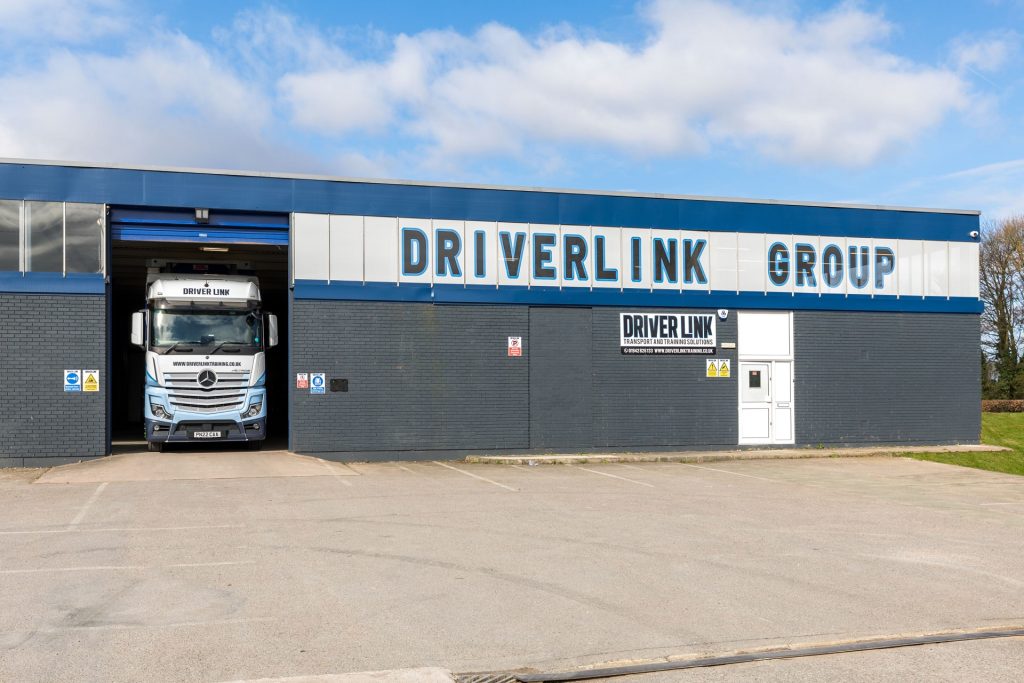
How DriverLink Training Can Help
DriverLink Training offers:
- Tailored hazardous goods awareness courses
- LQ-specific training for drivers and staff
- Refresher modules
- Online and on-site options
- Certificate documentation for compliance
We help ensure your team meets legal obligations without requiring full ADR licensing.
Contact DriverLink
For more information or to book training, contact DriverLink:
- Office: 01942 826 133
- Transport: 07852 347 063
- Training: 07885 947 644

Contact Info


